Key takeaways
- Shehbaz Sharif said Pakistan could become the world’s sixth-largest economy by 2050, revising a Goldman Sachs forecast.
- He urged closer coordination between federal and provincial governments to improve support for investors.
- The prime minister wants Pakistan to move beyond exporting raw minerals and attract smelters, refineries and factories.
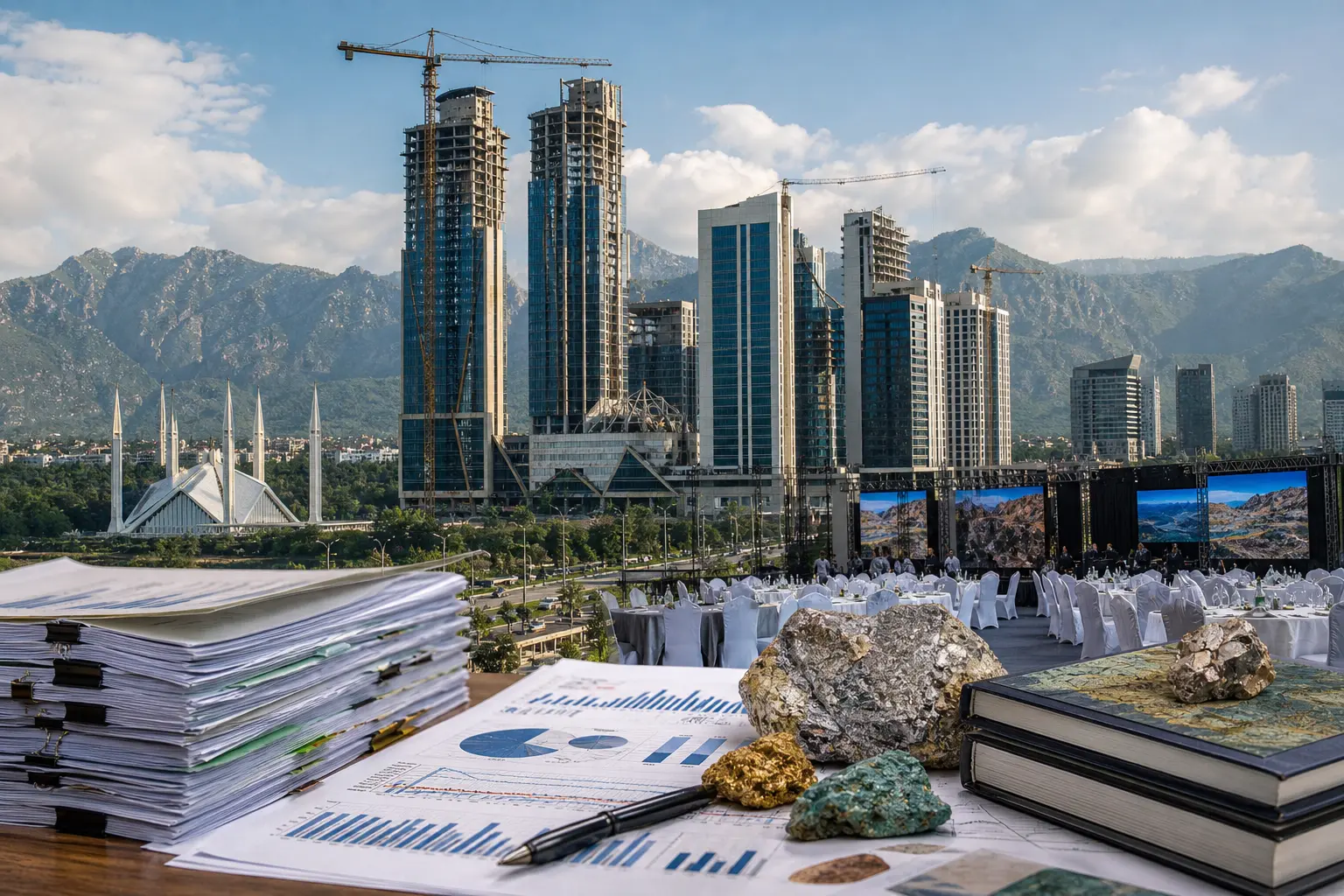
Pakistan’s prime minister, Shehbaz Sharif, has said the country could become the world’s sixth-largest economy by 2050, a projection that revises an earlier Goldman Sachs forecast. The statement puts fresh attention on Pakistan’s long-term growth hopes at a time when investors are looking for clearer policy signals and a more supportive business environment.
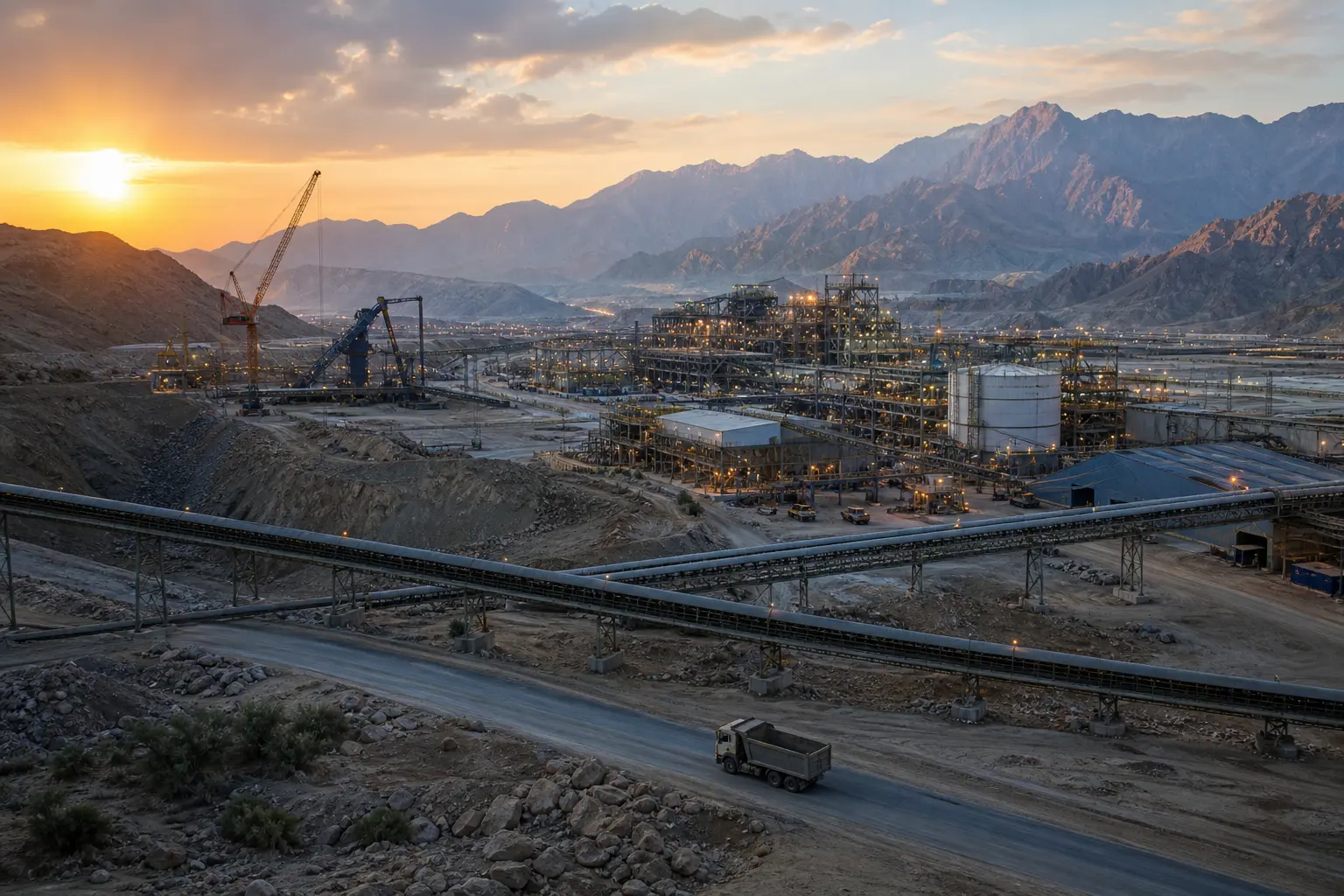
Sharif linked that ambition to a practical message for the economy: Pakistan must make it easier for investors to build and operate in the country. He also pressed for stronger cooperation between the federal and provincial governments, while urging international businesses to set up refining and manufacturing facilities rather than exporting minerals in raw form.
A more ambitious growth target
Sharif’s comment is notable because it raises expectations for Pakistan’s economic future and frames growth as a strategic goal rather than a distant hope. By saying the country could reach sixth place globally by 2050, he is signaling confidence in Pakistan’s scale, resources and potential to attract capital if conditions improve.
The revised projection also matters because it references Goldman Sachs, a name closely watched in global markets. When a political leader adjusts or responds to such forecasts, it can shape how investors interpret the country’s long-term prospects. For Pakistan, credibility depends not only on bold targets but also on the policies that make them believable.
Long-range forecasts should be read carefully, however, because they depend on many moving parts, including investment, infrastructure, exports, stability and reform. Sharif’s statement does not by itself change the economy, but it does show that the government wants to present a more optimistic narrative to both domestic and international audiences.