Key takeaways
- Pakistan is facing a serious debt challenge while setting a highly ambitious long-term growth target.
- Prime Minister Shehbaz Sharif said the country could reach sixth place among world economies by 2050, earlier than a previously cited timeline.
- Pakistan has also been appointed to chair the UN-backed Borrowers' Platform for 2026-27, giving it a new international role.
- The contrast between debt pressure and economic ambition makes fiscal discipline and reform central to the story.
Pakistan is trying to tell two stories at once: one of financial strain and one of future promise. The country remains burdened by a severe debt crisis, yet its leaders are projecting confidence that Pakistan could rise to become the world’s sixth-largest economy by 2050, a target that would require sustained growth over decades.
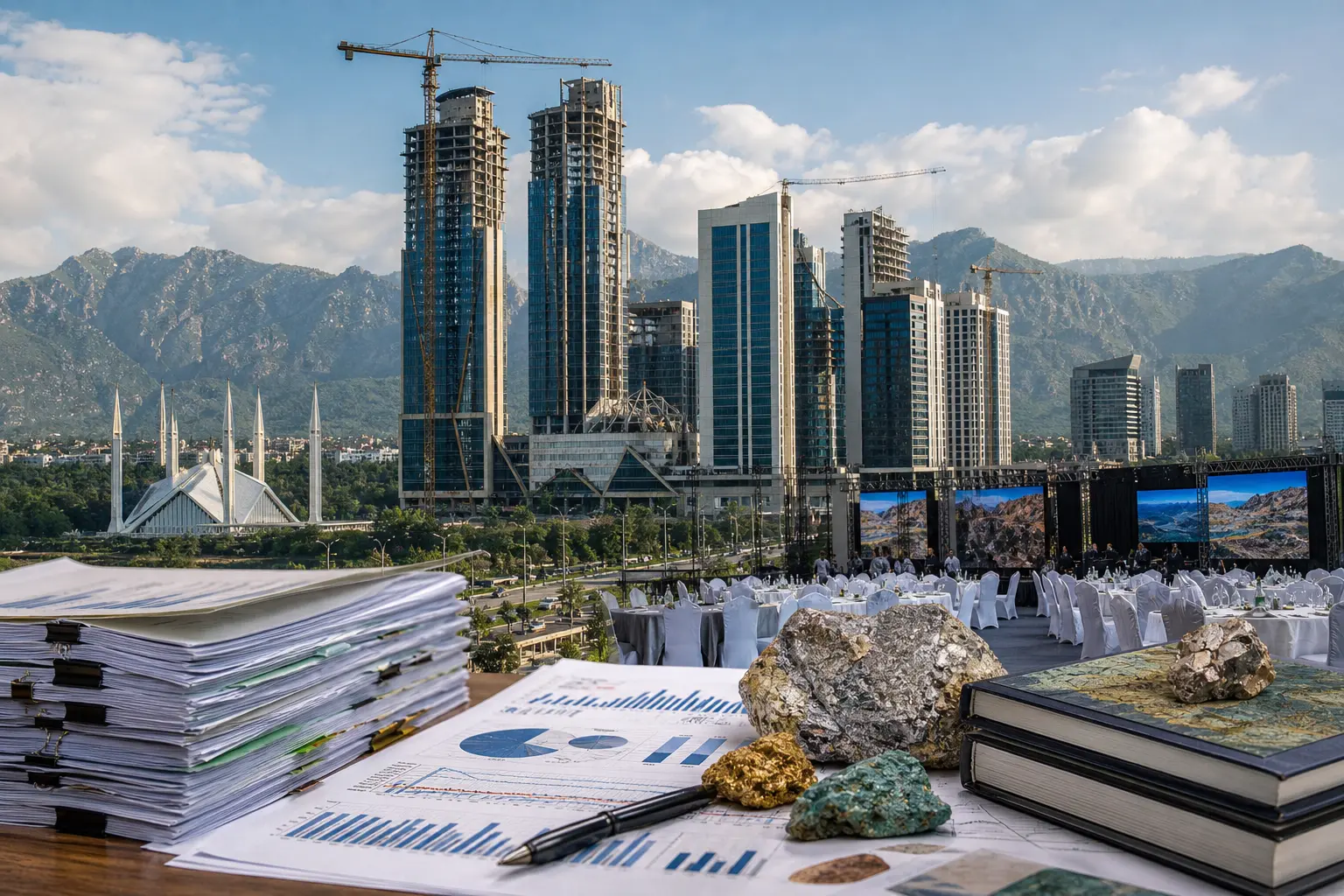
That ambition gained fresh attention after Prime Minister Shehbaz Sharif spoke at the Pakistan Minerals Investment Forum 2026 in Islamabad. At the same time, Pakistan has been chosen to chair the UN-backed Borrowers’ Platform for 2026-27, a role that places a heavily indebted country in a position to guide others facing similar pressures.
A bold growth target in a difficult moment
Pakistan’s long-term economic goal is striking because it comes while the country is still dealing with heavy debt pressure. The reports describe a severe national debt crisis, yet the government is speaking about moving into the ranks of the world’s top six economies before 2050. That contrast makes the announcement politically useful and economically demanding at the same time.
According to the reports, Sharif told the Pakistan Minerals Investment Forum 2026 that the milestone could come much earlier than a previously discussed timeline. Instead of 2075, he suggested 2050 as the more realistic target. The message was not just about numbers; it was about confidence, ambition and the kind of future the government wants investors to imagine.